
Bill's Lawn Maintenance Discusses Factors That Influence Hardscape Investment Decisions
Frankfort, United States - January 16, 2026 / Bill's Lawn Maintenance & Landscaping /
Homeowners planning outdoor improvements face immediate decisions about whether to invest in permanent hardscape features or pursue simpler alternatives. These choices affect not only initial costs but also long term maintenance requirements, functionality limitations, and eventual resale value. Property owners throughout Frankfort, Mokena, and New Lenox often underestimate how material selection and layout decisions made during initial installation influence satisfaction years later. A detailed examination of paver patio designs and walkway options explores how different approaches affect durability, maintenance needs, and design flexibility for residential properties.
The distinction between temporary solutions and permanent installations shapes both immediate project costs and ongoing property care requirements throughout ownership.
Why Material and Layout Choices Create Long Term Consequences
Many homeowners approach outdoor space planning by focusing primarily on initial installation costs rather than evaluating total ownership expenses over years of use. This perspective often leads to selecting materials that require frequent repairs, layout designs that limit functionality, or feature combinations that create maintenance complications as properties mature.
Concrete patios represent common examples where initial cost savings create long term limitations. While concrete installation typically costs less than paver alternatives initially, homeowners discover that cracking, staining, and limited repair options reduce satisfaction over time. Replacing damaged concrete sections requires removing and reinstalling entire areas, while paver systems allow replacing individual units without affecting surrounding materials.
Gravel or mulch paths offer another example where short term thinking creates ongoing problems. These materials require frequent replenishment, allow weed growth, become muddy during wet weather, and shift under foot traffic. Property owners who initially saved money on installation find themselves spending more on annual maintenance than permanent walkway installation would have cost.
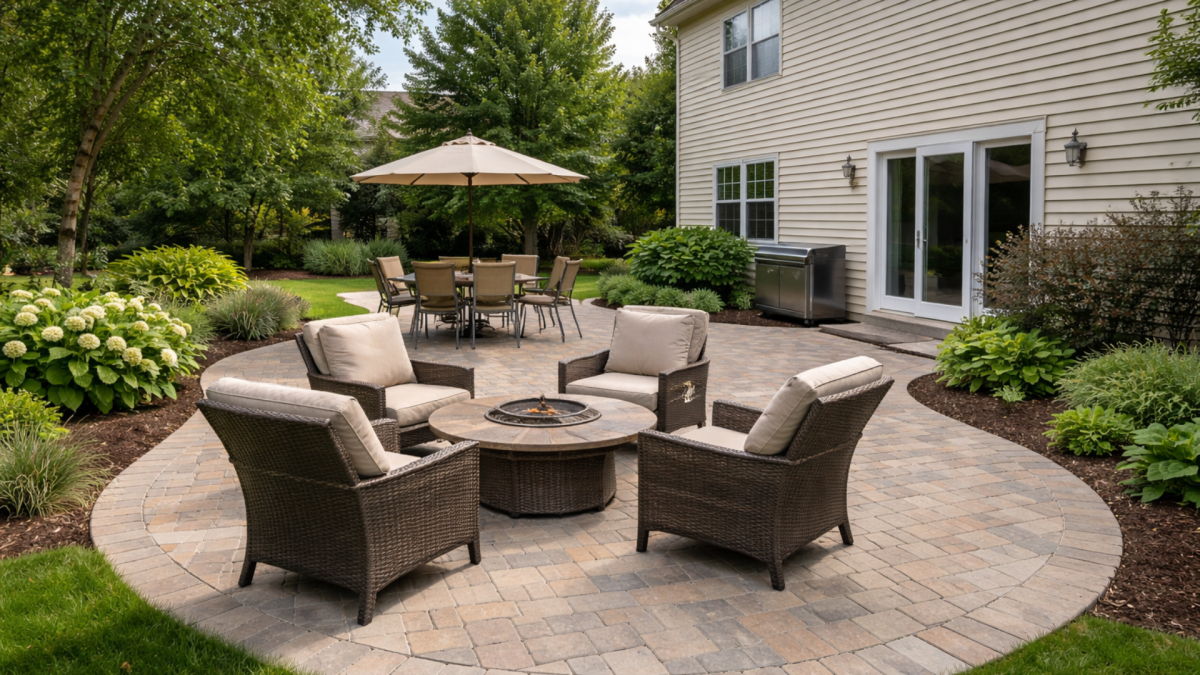
Layout decisions made without considering how spaces will actually be used also create regret years later. Patios sized too small for furniture and gatherings, fire features positioned where smoke affects seating areas, or walkways that don't connect logically to home entrances all reflect insufficient planning during initial design phases.
The complexity increases when homeowners attempt DIY installations without understanding proper base preparation, drainage requirements, or material specifications. Improperly installed hardscaping develops settling problems, drainage issues, and premature failure that requires complete reinstallation to correct.
How Planning Choices Affect Property Functionality and Value
Hardscape installations influence multiple property aspects beyond immediate outdoor living functionality. Proper planning affects drainage patterns, landscape bed configurations, lawn maintenance access, and winter snow management throughout properties.
Patio installations without adequate drainage planning create water pooling problems that damage foundations, kill adjacent plantings, and make spaces unusable after rainfall. Professional installations incorporate proper slope, base materials, and drainage solutions that direct water away from structures and maintain usable surfaces year round.
Material selection affects seasonal usability and long term appearance. Some pavers handle freeze-thaw cycles better than others, certain stone types resist staining more effectively, and specific color choices hide dirt and weathering more successfully. These factors influence how spaces look and function throughout ownership rather than just during initial installation.
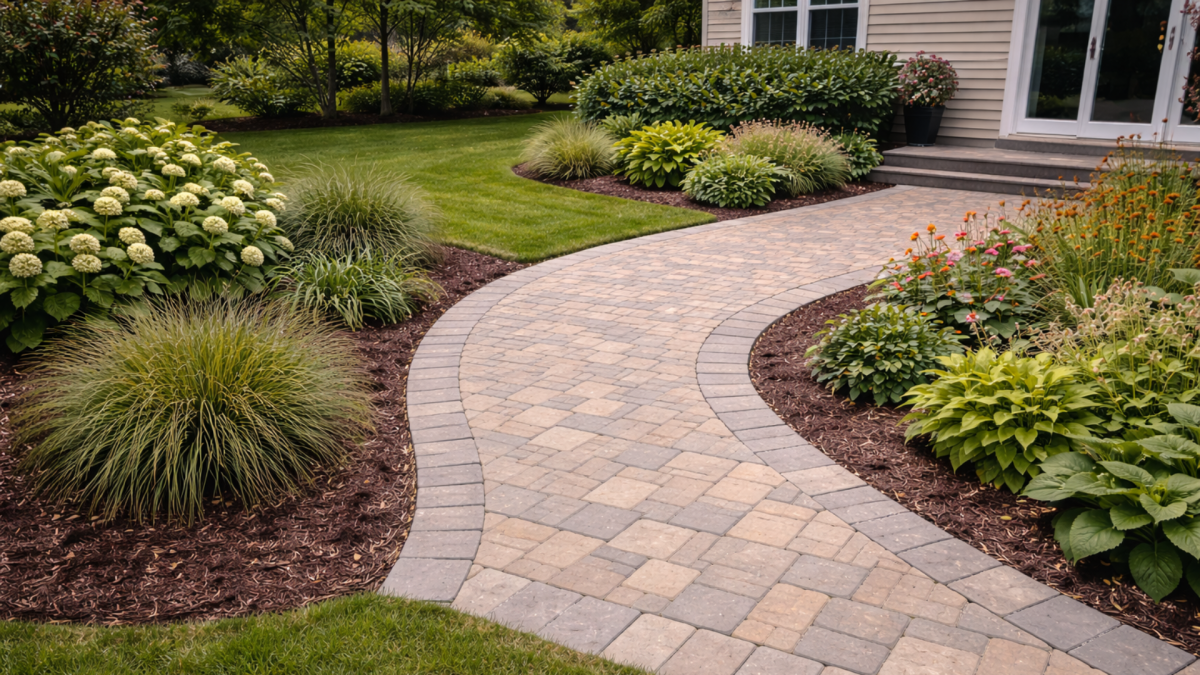
Integration between hardscape features and surrounding landscapes determines overall property cohesion. Patios that connect naturally to planting beds, walkways that flow logically through yards, and seating walls that define spaces while supporting plantings create properties that feel intentionally designed rather than haphazardly assembled.
Fire features and outdoor kitchens add significant functionality but require careful positioning relative to property lines, prevailing winds, utility access, and existing structures. Homeowners who install these features without professional planning often discover that smoke affects neighbors, utility connections prove expensive, or local codes require relocations.
The permanence of hardscape installations makes correction expensive when initial decisions prove inadequate. Unlike plantings that can be moved or lawn areas that can be reconfigured, installed patios, walkways, and walls represent substantial investments that property owners live with for decades.
Evaluating Projects Based on Lifestyle and Property Conditions
Bill's Lawn Maintenance & Landscaping evaluates outdoor space planning by understanding how homeowners actually use their properties rather than applying generic design templates. Entertainment needs, family activities, maintenance preferences, and budget considerations all influence which features and materials make sense for specific situations.
Properties with challenging grades require different approaches than flat lots. Homes with existing mature trees need designs that work around root systems and shade patterns. Yards with poor drainage demand solutions that address water management before installing entertainment features. These site-specific factors shape realistic project scopes and appropriate material selections.
The sequence in which improvements are completed also affects overall outcomes and costs. Installing drainage solutions before hardscaping prevents expensive corrections later. Completing tree work before patio construction avoids damage to new installations. Planning utility access during initial design phases eliminates trenching through finished spaces to add lighting or water features afterward.
Budget allocation between different project components influences long term satisfaction. Homeowners sometimes prioritize decorative elements over functional necessities, creating spaces that look impressive initially but develop problems quickly. Professional guidance helps property owners understand which investments deliver lasting value versus temporary visual appeal.
Considerations That Influence Outdoor Living Investments
Homeowners throughout the southwestern suburbs face similar decisions about outdoor space development, though specific property conditions and personal priorities vary significantly. Patio paver and walkway installations require understanding soil conditions, drainage patterns, sun exposure, and intended uses before material selections and layouts get finalized.
Properties in established neighborhoods often include mature trees, existing landscape beds, and underground utilities that influence design options. New construction homes provide more flexibility but may require additional grading work and drainage solutions before hardscape installations can proceed successfully.
The relationship between hardscape features and ongoing property maintenance affects long term satisfaction. Patios that allow easy mowing access around edges, walkways that prevent foot traffic damage to lawns, and seating walls that define planting areas all reduce maintenance requirements compared to poorly planned installations.
Approach to Customer Communication and Project Planning
This experienced landscaping provider in the region emphasizes thorough communication during planning phases to ensure homeowners understand tradeoffs between different approaches, realistic project timelines, and maintenance expectations after installation. Outdoor living space development represents significant investment that affects properties for decades, making informed decision making essential.
Understanding that homeowners often lack experience evaluating hardscape options guides an educational approach focused on explaining how different choices affect functionality, durability, and maintenance rather than simply presenting options without context. Property owners benefit from understanding why certain materials or layouts make sense for their specific situations.
Long term relationships with customers throughout the community reflect commitment to project success beyond installation completion. Homeowners working with established local providers gain access to ongoing guidance about maintaining installed features and adapting spaces as needs change over time.
Avoiding Problems Through Informed Planning
Property owners who carefully evaluate outdoor living space options before installation avoid expensive corrections, ongoing maintenance frustrations, and functionality limitations that reduce satisfaction for years. Hardscape investments made without adequate planning create problems that often cannot be corrected without complete reinstallation.
Bill's Lawn Maintenance & Landscaping helps homeowners throughout Frankfort and surrounding areas understand how material selections, layout decisions, and feature integration affect both immediate project costs and long term property value. Property owners considering outdoor space improvements can reach the company at 815-205-5541 or visit billslawn.com for information about professional landscape design and installation services.

Contact Information:
Bill's Lawn Maintenance & Landscaping
10815 W Stuenkel Rd
Frankfort, IL 60423
United States
Contact Bill's Lawn Maintenance & Landscaping
(815) 205-5541
https://billslawn.com/


Original Source: https://billslawn.com/media-room/